

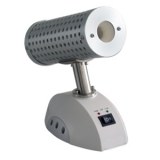
Sterilizers are laboratory instruments designed to eliminate all forms of viable microorganisms—including bacteria, viruses, fungi, and spores—from equipment, media, and biological materials. They are essential in microbiology, molecular biology, clinical diagnostics, pharmaceutical production, and cell culture laboratories, where maintaining sterile conditions is critical to prevent contamination and ensure experimental reliability.
Sterilization is achieved through physical or chemical processes that irreversibly damage microbial structures and genetic material. Among these, moist heat sterilization using saturated steam under pressure (autoclaving) is considered the gold standard. Peer-reviewed studies in microbiology and infection control literature consistently demonstrate that exposure to 121°C for a defined time under pressure effectively destroys resistant microbial spores, making it one of the most reliable sterilization methods used in laboratories and healthcare settings.
Main Types of Sterilizers
Generally several categories of sterilizers can be found, including:
- Autoclaves (Steam Sterilizers)
Use high-pressure saturated steam for sterilizing media, instruments, and waste - Dry Heat Sterilizers
Use high temperatures without moisture for glassware and metal tools - UV Sterilizers
Use ultraviolet radiation for surface and air sterilization - Gas Sterilizers
Use gases such as ethylene oxide for heat-sensitive materials - Plasma Sterilizers
Use hydrogen peroxide plasma for rapid, low-temperature sterilization - Filtration Sterilization Systems
Remove microorganisms from heat-sensitive liquids using membrane filters
Main Applications
Sterilizers are widely used in:
- Microbiology and cell culture laboratories
- Molecular biology and PCR workflows
- Clinical and hospital laboratories
- Pharmaceutical and biotechnology production
- Food safety and environmental testing
- Laboratory waste decontamination