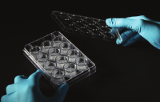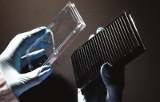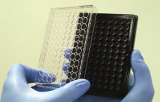
Alvetex® Scaffold polystyrene plates provide a reproducible three-dimensional (3D) cell culture platform that enables mammalian cells to grow within a highly porous inert polystyrene matrix rather than on a conventional two-dimensional surface. Numerous peer-reviewed studies have demonstrated that scaffold-based 3D culture better preserves native cell morphology, cell–cell and cell–matrix interactions, gene expression, differentiation, extracellular matrix deposition, and tissue-specific function, resulting in biologically relevant in vitro models for drug discovery, cancer research, stem cell biology, toxicology, tissue engineering, and regenerative medicine. Manufactured from the same inert polystyrene used in standard tissue culture plasticware, Alvetex® Scaffold integrates seamlessly into existing laboratory workflows while remaining compatible with microscopy, molecular biology, histology, immunostaining, and viability assays. The multiwell plate format supports routine, reproducible 3D culture with excellent batch-to-batch consistency and compatibility with automated screening platforms.
Key Features
-
Highly Porous Cross-Linked Polystyrene Scaffold: Approximately 200 µm thick with greater than 90% porosity, supporting physiologically relevant 3D cell culture.
-
Enhanced Biological Relevance: Promotes in vivo-like cell morphology, proliferation, differentiation, and cell–cell communication compared with conventional 2D culture.
-
Broad Research Applications: Supports cancer models, stem cells, primary cells, co-culture systems, drug screening, tissue engineering, toxicology, and regenerative medicine.
-
Seamless Laboratory Integration: Manufactured from inert polystyrene, allowing straightforward transition from standard cell culture protocols.
-
Comprehensive Analytical Compatibility: Compatible with fluorescence imaging, confocal microscopy, histology, immunocytochemistry, RNA/protein extraction, and cell viability assays.
-
High-Throughput Multiwell Format : Enables reproducible 3D cell culture with low batch-to-batch variability and compatibility with automated screening platforms.