Carbohydrates
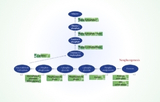
Anabolism of carbohydrates is a crucial biological process involving the synthesis of complex carbohydrate molecules from simpler precursors, primarily geared toward energy storage and cellular structure maintenance. This anabolic pathway is intricately linked to metabolic and hormonal regulation and plays a vital role in maintaining glucose homeostasis, energy balance, and cellular function.
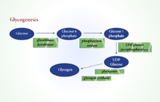
The central anabolic carbohydrate process is glycogenesis, where glucose molecules are polymerized to form glycogen for energy storage, particularly in liver and muscle cells. Glycogenesis begins with the phosphorylation of glucose to glucose-6-phosphate, followed by isomerization to glucose-1-phosphate. The key regulatory enzyme glycogen synthase then catalyzes the addition of glucose units to glycogen chains. This process is energy-dependent, utilizing uridine diphosphate glucose (UDP-glucose) as the activated glucose donor.
Another significant carbohydrate anabolic pathway is gluconeogenesis, the synthesis of glucose from non-carbohydrate precursors such as lactate, glycerol, and amino acids (alanine and glutamine). This pathway primarily occurs in the liver and kidneys and is essential during fasting or intense exercise when glucose demand exceeds supply. Gluconeogenesis involves several key enzymes, including pyruvate carboxylase, phosphoenolpyruvate carboxykinase (PEPCK), fructose-1,6-bisphosphatase, and glucose-6-phosphatase, which drive the conversion of pyruvate and other substrates back into glucose.
Carbohydrate anabolism is tightly regulated by hormones such as insulin and glucagon. Insulin promotes glycogenesis and glycolysis while inhibiting gluconeogenesis, favoring energy storage after feeding. In contrast, glucagon promotes gluconeogenesis and glycogenolysis during fasting, ensuring glucose availability.
Overall, carbohydrate anabolism encompasses the synthesis of glycogen for energy storage and the generation of glucose via gluconeogenesis, both of which are energy-intensive and meticulously controlled to sustain metabolic balance and energy homeostasis in the organism.