

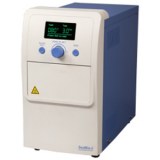
Plate sealers are laboratory instruments used to securely seal microplates, PCR plates, assay plates, and deep-well plates with adhesive films, heat-sealed foils, caps, or mats. They are essential in molecular biology, diagnostics, drug discovery, and high-throughput screening because they protect samples from evaporation, contamination, leakage, and well-to-well cross-talk during storage, incubation, and thermal cycling.
Scientific studies have shown that evaporation and contamination can significantly affect assay accuracy, especially in low-volume microplate formats. Proper plate sealing helps maintain stable reaction volumes, reduce edge effects, and improve reproducibility in applications such as PCR, qPCR, ELISA, cell-based assays, and compound screening.
Importance of Plate Sealers
Plate sealers help to:
- Prevent sample evaporation
- Reduce cross-contamination between wells
- Improve PCR and qPCR consistency
- Enhance ELISA and immunoassay reproducibility
- Protect samples during storage and transport
- Support automated laboratory workflows
Main Categories of Plate Sealers
Several categories of plate sealers can be found, including:
- Heat Plate Sealers for PCR and long-term storage
- Adhesive Plate Sealers for ELISA and routine assays
- Manual Plate Sealers for low-throughput laboratories
- Automated Plate Sealers for high-throughput workflows
- Cap / Mat Applicators for tube racks and storage plates
Applications
Used in:
- PCR / qPCR
- ELISA and immunoassays
- Drug discovery screening
- Cell culture assays
- Clinical diagnostics
- Biobanking