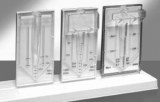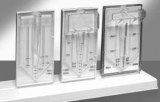
Concentration and filtration devices tailored for clinical applications streamline sample preparation workflows in diagnostic laboratories. These systems enable efficient biomarker detection from urine, blood, or cerebrospinal fluid (CSF) by ensuring high purity, optimal recovery, and reproducible enrichment of target analytes. Their implementation improves analytical sensitivity while maintaining compatibility with downstream molecular and immunological assays.
Key Technologies
Centrifugal concentrators operate at speeds of 2,000–5,000 × g to drive ultrafiltration, enabling 10–100× concentration within 15–60 minutes while maintaining recovery rates exceeding 95% for sensitive biomarkers. Static urine concentrators rely on absorbent pads positioned beneath ultrafiltration membranes to allow passive evaporation. This approach is particularly suitable for low-volume clinical settings lacking centrifugation equipment, achieving up to 50× concentration without introducing heat or shear-related artifacts. Complementary 96-well filtration plates support the processing of viscous clinical fluids such as blood or lysates, facilitating preparation steps for PCR and ELISA workflows.
Clinical Applications
In nephrology, these devices enable enrichment of low-abundance urinary proteins such as NGAL for acute kidney injury (AKI) diagnostics using mass spectrometry or immunoassay platforms. In neurology, cerebrospinal fluid ultrafiltration supports the isolation of extracellular vesicles (EVs) and amyloid-beta (Aβ) peptides for Alzheimer’s disease biomarker research, often followed by size-exclusion separation techniques. In infectious disease diagnostics, filtration systems clarify serum or plasma samples for virology PCR analysis and concentrate exosomes for liquid biopsy applications, effectively minimizing matrix interference and improving assay sensitivity.