

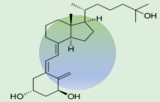
Calcitriol, the active form of vitamin D (1,25-dihydroxycholecalciferol), is a steroid hormone that is essential for maintaining calcium and phosphorus homeostasis in the body. Primarily synthesized in the kidneys, calcitriol binds to the vitamin D receptor (VDR) in target cells, acting as a transcription factor to regulate the expression of numerous genes involved in calcium absorption, bone metabolism, and immune function.
Key Functions and Mechanisms
- Calcium and Phosphate Regulation: Calcitriol increases blood calcium levels by promoting intestinal absorption of dietary calcium, increasing renal reabsorption of calcium, and stimulating the release of calcium from bone.
- Immune Modulation: Calcitriol enhances the synthesis of antimicrobial peptides and modulates immune and inflammatory responses, indicating its crucial role in innate immunity.
- Vitamin D Receptor (VDR) Activation: Calcitriol binds to the VDR, a nuclear receptor expressed in various tissues, influencing gene transcription and cellular function.
Research Applications and Clinical Significance:
-
Treatment of Hypocalcemia: Calcitriol is used to treat conditions characterized by low blood calcium levels, such as hypoparathyroidism and kidney disease.
-
Management of Hyperparathyroidism: Calcitriol can help manage secondary hyperparathyroidism, particularly in patients undergoing chronic renal dialysis.
-
Bone Health: Calcitriol is used in the treatment of osteoporosis and other metabolic bone diseases by promoting bone mineralization.
- Potential Therapeutic Applications: Calcitriol's immunomodulatory and anticarcinogenic activities are being investigated for potential therapeutic applications.
