

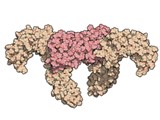
Colony-stimulating factors (CSFs) are a group of glycoproteins that play pivotal roles in regulating the production, differentiation, and function of blood cells, particularly granulocytes and macrophages. Discovered in the 1970s, CSFs have since been recognized for their essential contributions to hematopoiesis—the process by which blood cells are formed—as well as their involvement in immune responses and various pathological conditions, including cancer and autoimmune diseases.
Mechanisms of Action
CSFs exert their effects by binding to specific receptors on hematopoietic progenitor cells in the bone marrow. This binding activates intracellular signaling pathways that promote cell proliferation, differentiation, and survival. For instance:
- G-CSF: Enhances the production and release of neutrophils from the bone marrow into the bloodstream, increasing the body’s capacity to respond to infections.
- GM-CSF: Not only stimulates the production of granulocytes and macrophages but also enhances their functional capabilities, such as phagocytosis and cytokine production.
- M-CSF: Crucial for the differentiation of monocytes into macrophages and the maintenance of macrophage populations in tissues.
