

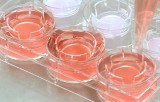
Plastic systems for 3D cell culture provide advanced platforms for creating physiologically relevant in vitro models that better mimic native tissue architecture, cell–cell interactions, and extracellular microenvironments compared with conventional 2D culture methods. Designed for applications ranging from basic research to translational studies, these systems support the formation of spheroids, organoids, microtissues, and scaffold-based cultures while enabling compatibility with microscopy, imaging, and downstream analytical workflows.
Widely used in cancer research, stem cell biology, drug discovery, toxicology, tissue engineering, and regenerative medicine, modern 3D cell culture plastics are engineered to improve reproducibility, scalability, and experimental control across diverse cell types and culture formats.
Utility and Applications
- Generation of 3D spheroids, organoids, and multicellular aggregates.
- Support for cancer biology, stem cell research, immunology, and tissue engineering.
- Improved modeling of cell-cell interactions, extracellular matrix dynamics, and physiological responses.
- Enhanced predictive value for drug screening and toxicity testing.
- Integration with live-cell imaging, fluorescence microscopy, and high-content analysis.
Key Features
- Optimized surface properties for controlled cell adhesion or low-attachment culture.
- Formats supporting high-throughput screening and scalable workflows.
- Optical-grade plastics for high-resolution imaging compatibility.
- Standardized geometries for reproducible spheroid formation and culture consistency.
- Compatibility with microfluidics, perfusion systems, and advanced imaging platforms.
- Sterile, ready-to-use formats suitable for routine and specialized laboratory workflows.
These 3D cell culture systems help bridge the gap between traditional cell culture and in vivo biology, enabling more predictive and biologically relevant experimental models.